



KENYA URBAN SUPPORT PROGRAMME TRANSFORMS KIAMBU’S TOWNS, ONE MUNICIPALITY AT A TIME
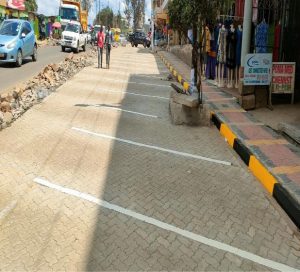
Ruiru Municipality : Parking Slot at Ruiru Town
From improved roads and solar streetlights to greener public spaces and modern firefighting facilities, investments under the World Bank-supported Kenya Urban Support Programme are helping Kiambu’s municipalities respond to local needs and improve urban life.
In Ruiru, one of Kiambu County’s rapidly growing commercial centres, efficient transport and reliable emergency services are essential to keeping businesses moving and supporting the needs of an expanding population.
Through KUSP, Ruiru Municipality upgraded two kilometres of roads to bitumen standard, improving access within the busy town centre and strengthening connections between commercial areas and residential neighbourhoods.
For traders, customers and commuters, better roads mean improved access to businesses, markets and transport services. They also make it easier to move goods through a town where daily commercial activity depends on reliable connections.
The municipality complemented the road improvements with the installation of 156 solar-powered streetlights in the bus park, town streets, the Kihunguro Full Gospel access road, Kahawa Wendani and Fort Jesus Bypass, as well as neighbouring areas.
The lighting has improved visibility along the routes, helping people navigate streets after dark.
For Njeri Wakamau, a trader at Ruiru Market, the improvements have made a noticeable difference to the trading environment.
“Since the roads around Ruiru Market were upgraded and the solar streetlights installed, moving around the market has become easier, especially in the evening. Customers can access our businesses more conveniently, and the lighting makes it easier to see and move around after dark. As traders, we appreciate these improvements because they make our working environment better and more welcoming to customers,” she said.
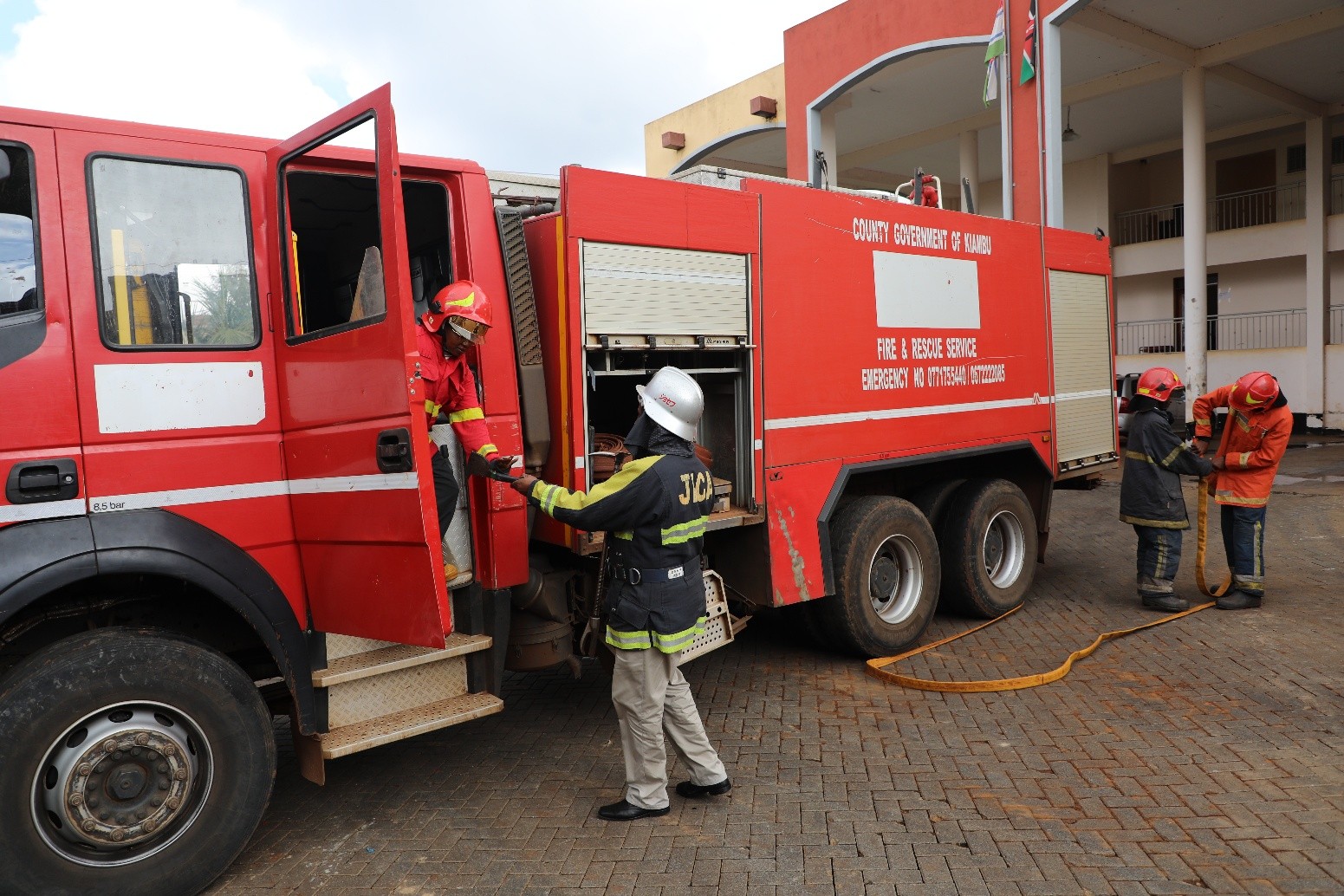
Beyond roads and lighting, Ruiru Municipality has also strengthened its emergency response capacity through the purchase of a firefighting engine, following prioritisation by the Municipal Board.
The investment has enhanced the municipality’s capacity to respond to fires and other emergencies, with assistance available to neighbouring urban centres, including Juja, Thika, Kiambu, Githunguri and Githurai, when required.
Together, these investments demonstrate how urban development can support both economic activity and public safety by addressing the practical needs of people who live, work and do business in the town.
In Karuri Municipality, the threat of fire emergencies and the distance to available firefighting services prompted the Municipal Board to prioritise the establishment of a modern fire station.
With financial support from KUSP, the municipality established a functional fire station and emergency response centre to strengthen firefighting capacity in the western part of Kiambu County.
The facility addresses a critical public safety need in an area where prompt emergency response is important to protecting homes, businesses, property and livelihoods.
“Our priority was to bring emergency services closer to the people of Karuri and neighbouring communities. Through KUSP, we established a fire station and emergency centre that has strengthened our capacity to respond to emergencies and protect lives, businesses and property,” said the Karuri Municipal Board Chairperson.
For residents and business owners, the investment represents an important step towards improving local preparedness and bringing essential services closer to the communities that need them.
Karuri’s experience underscores an important aspect of urban development: building a town is not only about improving its appearance or easing movement, but also about strengthening the services that protect the people who live and work there.
In Kikuyu Municipality, urban development is about more than roads; it is also about creating welcoming public spaces where people can work, interact and enjoy their surroundings.
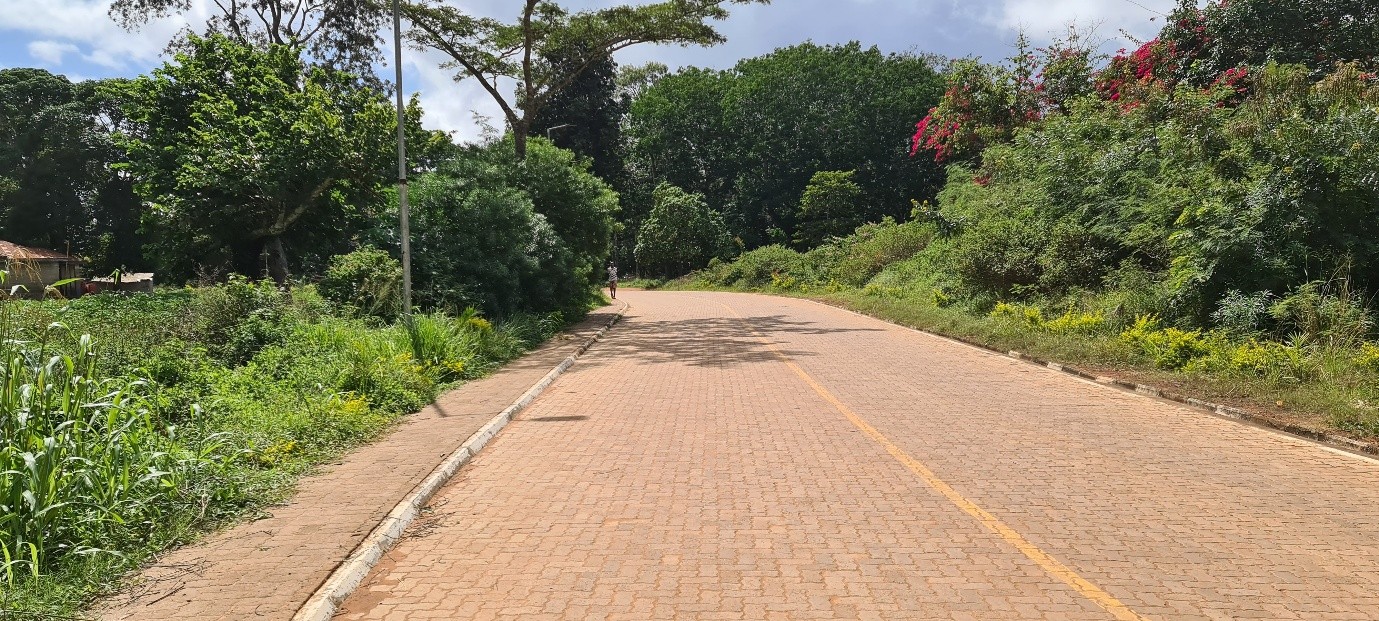
Through the Kenya Urban Support Programme (KUSP I), the municipality improved township streets through cabro paving, tree planting and street greening, while also rehabilitating a public garden.
The improvements have enhanced the town’s appearance and made its public spaces more inviting for residents, traders and visitors. The greenery adds a refreshing touch to the built-up environment, while the rehabilitated garden provides a place to relax and connect away from the bustle of daily activities.
For street vendors such as Kamau Wanjoroge, better streets also contribute to a more welcoming business environment.
“Since the streets were improved, moving around Kikuyu has become easier and the town looks more welcoming. As a street vendor, I depend on people walking through these streets to make a living. The improvements create a better environment for us to do business,” said Kamau.
Kikuyu’s experience demonstrates how investments in streets and public spaces can improve a town’s character while supporting the everyday activities and livelihoods of the people who depend on it.
Christina Gardens in Thika Municipality illustrates the role public open spaces can play in improving the quality of urban life.
In a busy commercial centre, where much of the day is spent working, trading or commuting, a well-maintained garden offers a welcome alternative to the pace of town life.
Beyond their visual appeal, public gardens can support social interaction and physical activity while contributing to the character of the surrounding neighbourhood.
A similar role is played by the public green space at Felma Shopping Centre in Kahawa Sukari, where residents have access to an outdoor setting for recreation and relaxation.
For people living in a growing urban neighbourhood, the availability of nearby open spaces can make everyday activities such as jogging, cycling, relaxing or meeting friends more convenient.
These spaces also provide a shared setting where people from different households and backgrounds can interact, helping strengthen the sense of community in an increasingly urbanised environment.
However, the lasting value of these investments depends on how well the facilities are maintained, protected and kept accessible for public use.
The experiences of Ruiru, Karuri, Kikuyu, Thika and Kahawa Sukari illustrate the range of urban needs addressed through municipal investments under KUSP.
Rather than focusing on a single type of infrastructure, the programme supported different priorities across the participating urban centres, from improving road connectivity and street lighting to strengthening emergency response and enhancing public spaces.
These investments reflect the role of municipal administrations and boards in identifying local challenges and prioritising projects intended to benefit residents, traders and businesses.
The World Bank-supported programme also demonstrated the importance of partnerships in financing urban development and strengthening the capacity of municipalities to plan and implement infrastructure projects.
For Kiambu County, the experience provides a foundation as preparations continue for the second phase, KUSP II, in coordination with the State Department for Housing and Urban Development and other development partners.
The next phase presents an opportunity to build on the progress made, respond to emerging urban needs and strengthen the delivery of services across the county’s municipalities.
But the real measure of success will extend beyond the completion of projects. It will be seen in how well roads serve communities over time, how reliably emergency facilities respond when needed, how effectively public spaces are maintained, and how consistently residents benefit from the infrastructure provided.
Ultimately, the value of urban development lies not only in what is built, but in how it improves everyday life for the people who call these towns home.
Report by
Maroa Enock Paul